About Zanzibar
Zanzibar's history is a rich tapestry of trade and cultural exchange, featuring early Bantu settlement, centuries of Arab, Persian, and Portuguese influence, and a powerful Omani Sultanate. It became a major Indian Ocean trade hub — renowned for ivory, slaves, and cloves — before becoming a British protectorate and ultimately joining Tanganyika to form Tanzania in 1964.
The Swahili culture and language developed from the blending of African and Arab influences across the first millennium. Today, Zanzibar is celebrated as one of Africa's most captivating island destinations.
Key Historical Eras
- Early History & Trade: Settled by Bantu speakers in the first millennium, the islands became a key stop for traders from Arabia, Persia, and India.
- Portuguese Rule (1498–1698): The Portuguese controlled Zanzibar for nearly 200 years, establishing a permanent presence on the islands.
- Omani Sultanate (1698–1890): The Omani Arabs took control. In 1840, Sultan Sa'id ibn Sultan moved his capital from Muscat to Zanzibar, developing lucrative clove plantations. Zanzibar grew as a centre for ivory and slave trade, becoming a major Indian Ocean power.
- British Protectorate (1890–1963): Zanzibar became a British protectorate. In 1896, the 38-minute Anglo-Zanzibar War took place — often cited as the shortest war in history.
- Independence & Revolution (1963–1964): Zanzibar gained independence from Britain in December 1963, followed by a revolution in January 1964 in which the African population overthrew the Arab-dominated government.
- Union with Tanzania (1964): In April 1964, the Republic of Zanzibar merged with mainland Tanganyika to form the United Republic of Tanzania.
What to Expect
- Stone Town UNESCO World Heritage district
- Spice plantation tours
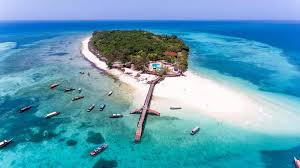
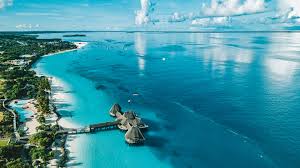
- White sand beaches and turquoise waters
- Historic Indian Ocean trade routes
- Authentic Swahili and Arab cultural heritage
Flights, ferry crossings, and personal expenses are not included.