About Turkana
The Turkana people are a Nilotic community in northwestern Kenya, originating from the Ateker confederation in present-day Sudan and Uganda. Migrating in the 17th and 18th centuries, they settled in the arid Turkana Basin through a journey traditionally led by a woman named Nayece. They established a strong pastoralist society known for resilience, livestock wealth, and fierce resistance to colonial rule.
The region is often referred to as the Cradle of Mankind due to the discovery of the 1.6-million-year-old Turkana Boy fossil. Today, discoveries of oil and the development of renewable energy — wind and solar — are beginning to transform the region's economy.
Key Historical Eras
- Origins and Migration (1700s–1800s): The Turkana split from the Jie of northeastern Uganda, following oral tradition's story of young men tracking a wayward bull to the Tarach Valley, where they met Nayece who introduced them to the fertile land. By 1850, they fully occupied the territory they inhabit today.
- Colonial Resistance (1900–1926): Unlike many other communities, the Turkana fiercely resisted British colonisation. The British launched the Labur Patrol in 1918 but did not gain effective civil control until 1926. The region's perceived lack of economic value left it largely isolated, used at times as a place of exile for leaders including Jomo Kenyatta.
- Post-Independence (1963–Present): After Kenya's independence, the region remained remote and underdeveloped. Severe droughts in the 1970s and 80s forced many nomadic families to settle near relief camps. The discovery of oil and growth of renewable energy are now transforming the region's economy.
Cultural Heritage
- Social Structure: Organised into 28 patrilineal clans and two major divisions — the Ngimonia and Ngichuro.
- Pastoralism: Livestock — cattle, camels, goats, and sheep — serve as currency, food, and social status.
- Beliefs: The Turkana traditionally believe in a Supreme Being named Akuj and consult diviners known as Ngimurok for guidance and healing.
What to Expect
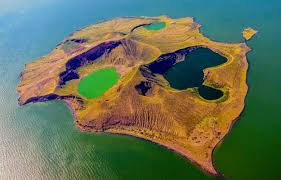
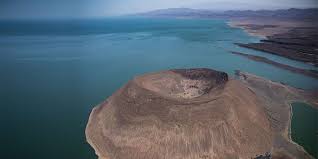
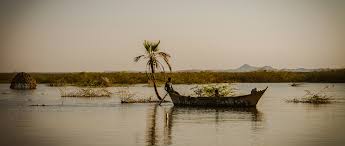
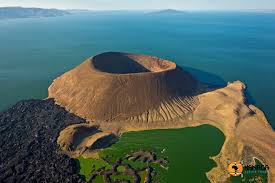
- Lake Turkana — the world's largest desert lake
- Turkana Boy fossil site — the Cradle of Mankind
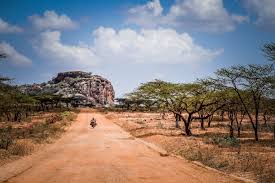
- Remote arid landscape and Rift Valley scenery
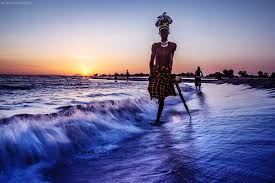
- Authentic Nilotic cultural encounters
- Africa's largest wind farm at Lake Turkana
This is a remote multi-day expedition. Entry fees and personal expenses are not included.