About Malindi
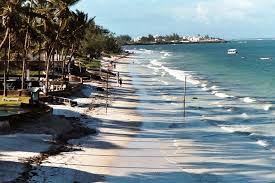
Malindi is a historic Kenyan port city, founded around the 9th century and established as a major Swahili trading hub by the 13th century. Renowned for its ivory and gold trade, it became a key Portuguese ally in 1498, hosting Vasco da Gama. Today it is a popular tourist destination known for its blend of Swahili and Italian culture, earning it the nickname "Little Italy."
Key Historical Eras
- Early Settlement (9th–13th Century): Emerging as a significant Swahili settlement, inhabited by Arab traders and local Africans, with an economy based on agriculture, trade, and fishing.
- The Chinese Visit (1414): The Chinese explorer Zheng He visited the city, and the King of Malindi sent a giraffe as a gift to the Ming Emperor.
- Portuguese Era (1498–1600s): Vasco da Gama arrived in 1498, establishing a friendly alliance unlike the hostility he met in Mombasa. Malindi became a vital Portuguese base featuring a chapel and a trading post.
- Decline and Resurgence (17th–19th Century): Portuguese influence waned and the town declined, before being revived in 1861 by Sultan Majid of Zanzibar.
- Colonial and Modern Era: The British took control of the coast. In the late 20th century, the town saw an influx of Italian tourism, giving rise to its lasting "Little Italy" reputation.
Key Historical Sites
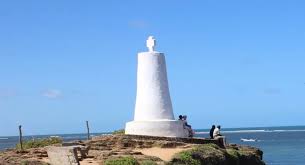
- Vasco da Gama Pillar — erected 1498, one of Africa's oldest European-built structures
- Portuguese Chapel — 16th-century colonial landmark
- Malindi Museum — coastal history and ethnography
- Gedi Ruins — a nearby 12th-century ruined Arab-Swahili city
Entry fees to historical sites and personal expenses are not included.