About Lamu Island
Lamu Island, Kenya, is the oldest and best-preserved Swahili settlement in East Africa, established around 1370. As a UNESCO World Heritage Site since 2001, it served as a major trade hub for centuries, with a rich cultural blend of Arab, Persian, and Portuguese influences. It reached its Golden Age in the 18th century as a centre for poetry, art, and trade.
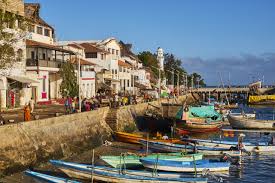
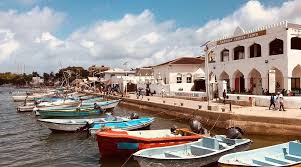
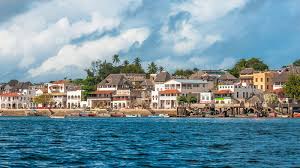
The town is built entirely of coral stone and mangrove timber, characterised by narrow streets and elaborately carved wooden doors. Lamu remains a predominantly Muslim community that prohibits cars in the old town, preserving its traditional, pedestrian-friendly nature.
Key Historical Eras
- Establishment (14th Century): Lamu Town became prominent by the 14th century, noted by travellers as early as 1441.
- Portuguese Era (16th–17th Century): The Portuguese invaded in 1506, imposing trade taxes and controlling the area for nearly 180 years before being ousted with Omani assistance.
- Omani Influence & Golden Age: Under Omani rule from the late 17th century, Lamu became a renowned centre for Islamic and Swahili culture.
- Colonialism & Independence: The British took over in the late 19th century, abolishing the slave trade in 1873. Lamu became part of Kenya upon independence in 1963.
What to Expect
- UNESCO-listed Swahili stone town
- Coral stone architecture and carved wooden doors
- Car-free old town streets
- Centuries of Arab, Persian, and Swahili cultural heritage
- Dhow cruises and island waterfront life
Personal expenses, flights, and ferry transfers to the island are not included.